
Order Before 3PM EST
Get Same Day Shipping
Get Same Day Shipping

In the last article of this two-part series, we traced the evolution of BMW customer engines from their origins in the late 1960s with M10-based Formula 2 engines to the two-time Le Mans-winning S70/2 V12. For their second LeMans win, BMW had partnered up with the Williams Formula 1 team to develop the factory-backed V12LMR prototype. This collaboration seamlessly transitioned from sports car racing to Formula 1 when BMW and Williams signed a six-year contract for BMW to supply engines and engineering support from 2000 through 2005.

This was the pinnacle of F1’s V10 era, where 3.0-liter, 18,000+ RPM engines provided the visceral soundtrack. This period saw power units from the usual suspects such as Ferrari, Renault, and Mercedes, as well as new factory entries from Toyota and Jaguar. BMW’s initial effort, the “E41,” produced 810 horsepower, and it was strong enough to propel the team to a third-place finish in the Constructor’s Championship in their debut season, a truly exceptional result. Though the E41 was both reliable and sufficiently powerful, work continued behind the scenes for BMW Motorsport in hopes of gaining more of an advantage over their competitors.


By the time testing began for the 2003 season, rumours began circulating about BMW’s new P80 power unit. Fans and journalists would linger outside of closed test tracks to catch a soundbite of 19,000+ RPM coming from the back of the Williams cars, and the talk of the town was of this new engine producing 900+ horsepower. BMW Motorsport Director Mario Thiessen did his best to manage expectations in the press. At the same time, their small engineering team worked tirelessly behind the scenes. Still, by early 2003, BMW was predicted as a favorite to potentially disrupt Ferrari’s recent dominance in both the Driver’s and Constructor’s Championships.
 Though they did not quite manage to dethrone the Italian marque, 2003 was most definitely the peak of the BMW-Williams era. The team would score 4 Grand Prix wins and finish second in the Constructors’ Championship while driver Juan Pablo Montoya finished third in the Driver’s Championship, just 11 points behind Ferrari’s Michael Schumacher. To put it plainly, they were a very fun team to root for, and some of Montoya’s qualifying laps were of legendary status.
Despite their success in ‘03, BMW’s partnership with Williams started to ebb quite a bit in the seasons to follow. By the end of the 2005 season, they parted ways, and BMW moved on and agreed to purchase the Sauber Formula 1 team. This would be their first full factory Formula 1 effort since the 1960s.
 This coincided with a change in engine regulations, mandating that all F1 competitors downsize from the iconic 3.0-liter V10s to a more compact, more “eco-friendly” 2.4-liter V8. BMW would offer up their P86 engine, which made 760 horsepower and revved to a familiar, though slightly less raucous 19,000+ RPM.
The ultimate highlight of BMW’s factory F1 tenure would have to be the 2008 Canadian Grand Prix, where young driver Robert Kubica would score the first and only win for both him and the team. His teammate, Nick Heidfeld, finished in second place as well, earning the team maximum points for that weekend.

 Following that successful weekend, BMW chose to shift its focus to developing its 2009 car instead of continuing to refine its current competitor. This was a frustrating time for Kubica, who, following that race, was leading the Driver’s Championship in points and would remain in contention until the season’s second-to-last race in China. Kubica would finish 2008 tied with Kimi Raikkonen for third place in the Driver’s Championship, while BMW finished the year in third in the Constructor’s standings.
 Though they started 2009 with great optimism, a combination of bad luck, underwhelming development, and corporate demands forced them to ultimately leave Formula 1 following that season, just 4 years into their factory effort. BMW has not had any involvement in Formula 1 since, and though rumours continue to circulate, it’s hard to justify why they would at this point. In all fairness, engine provisions in F1 are largely a branding exercise these days, and though new factory entries continue to join the sport as sponsors, it’s been over 10 years (and counting) since we’ve seen a new engine manufacturer compete in the sport. Though that’s likely to change with the potential additions of Ford, Audi, and even General Motors, BMW continues to focus on Sportscar and GT racing, where they continue to have a great deal of success with both factory and customer teams.

BMW’s racing engine history is nothing short of iconic. Their unique roster of customers and factory involvement in motorsports is a great source of inspiration and pride for enthusiasts of the brand. It’s wild to think that a road car engine has such pedigree and could be linked to such iconic projects as the McLaren F1, a multitude of Formula 1 cars, and more. Though customer engine programs are far more formal and regulated these days than they were in the past, BMW’s competitive spirit truly lives on in everything they continue to build.
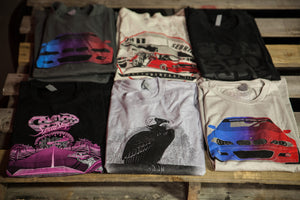
We have started a merchandise line celebrating some of BMW's classic chassis, starting with the legendary 2002. Click the link for details and be sure to join our mailing list to have early access to all of our latest apparel.

Leave a comment